

Data Collection & Research
Building the evidence base that community midwifery deserves: data systems that capture the full picture of care, inform quality improvement, and make the case for policy change.

Why Data and Research are Foundational
Every other domain depends on evidence: quality improvement, workforce development, policy reform, and systems integration all require it. But the data infrastructure supporting community birth in the U.S. was not designed with midwifery in mind. Vital records systems, electronic health records, and large administrative datasets all carry significant gaps when it comes to capturing what actually happens in home and birth center settings. Closing those gaps is prerequisite work for everything else.

Key Challenges
1.
The political environment is hostile to evidence
Research that documents health disparities has become a target rather than a resource. Federal data programs that the field depended on have been cut or closed, narrowing the foundation available for community birth research at a critical moment.
2.
Data entry falls on the people least equipped to do it
In most healthcare settings, administrative staff handle data documentation. In community midwifery, that work falls to the clinician, often without compensation, dedicated time, or technical support. Sustainable data collection requires sustainable infrastructure.
3.
Commercial data systems were not built for this work
For-profit health records platforms are designed around billing workflows, not clinical nuance. The variables that matter most for understanding community birth outcomes, such as cultural alignment, transfer patterns, and postpartum continuity, often have no place to live in existing systems.
"Midwifery and birth justice focused research asks very different questions than the physician led system. It's not solely about what interventions or technology will keep babies and their parents alive, but what do we actually need for optimum outcomes, optimal wellness throughout the life course."
"In the era of big data, we have growing data sets that are becoming a bit more usable, although there's still an incredible amount of work, very rigorous work, to begin to sort out the problems that are inherent in using these massive data sets. However, progress is happening and it's happening because the community birth community recognizes that this is critical to our success."
Tanya Khemet Taiwo, CPM, MPH, PhD
Program Lead, Birth Justice, Skyline Foundation
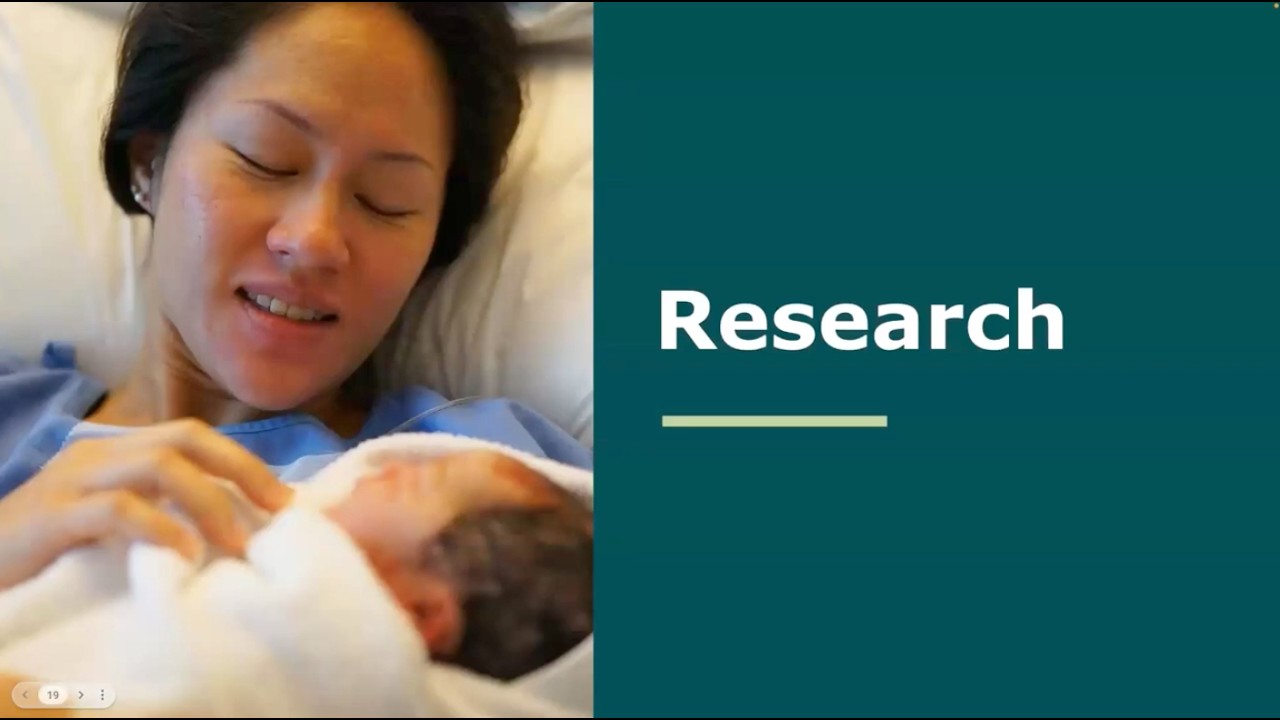
Good Research Starts with the Right Questions

And You Know What They Are
Researchers, data collectors, and midwives doing the daily work of documentation all have essential knowledge about what this domain needs. We want to hear from you about the data gaps you encounter, the questions that are not being asked, and the systems that would actually work in practice.
Can't make it to a community meeting? Use the form below to submit your ideas and comments on your own time. Every voice counts, regardless of your schedule.